

RC4 Leadership Series: Leading Teams – At Sea and On Campus
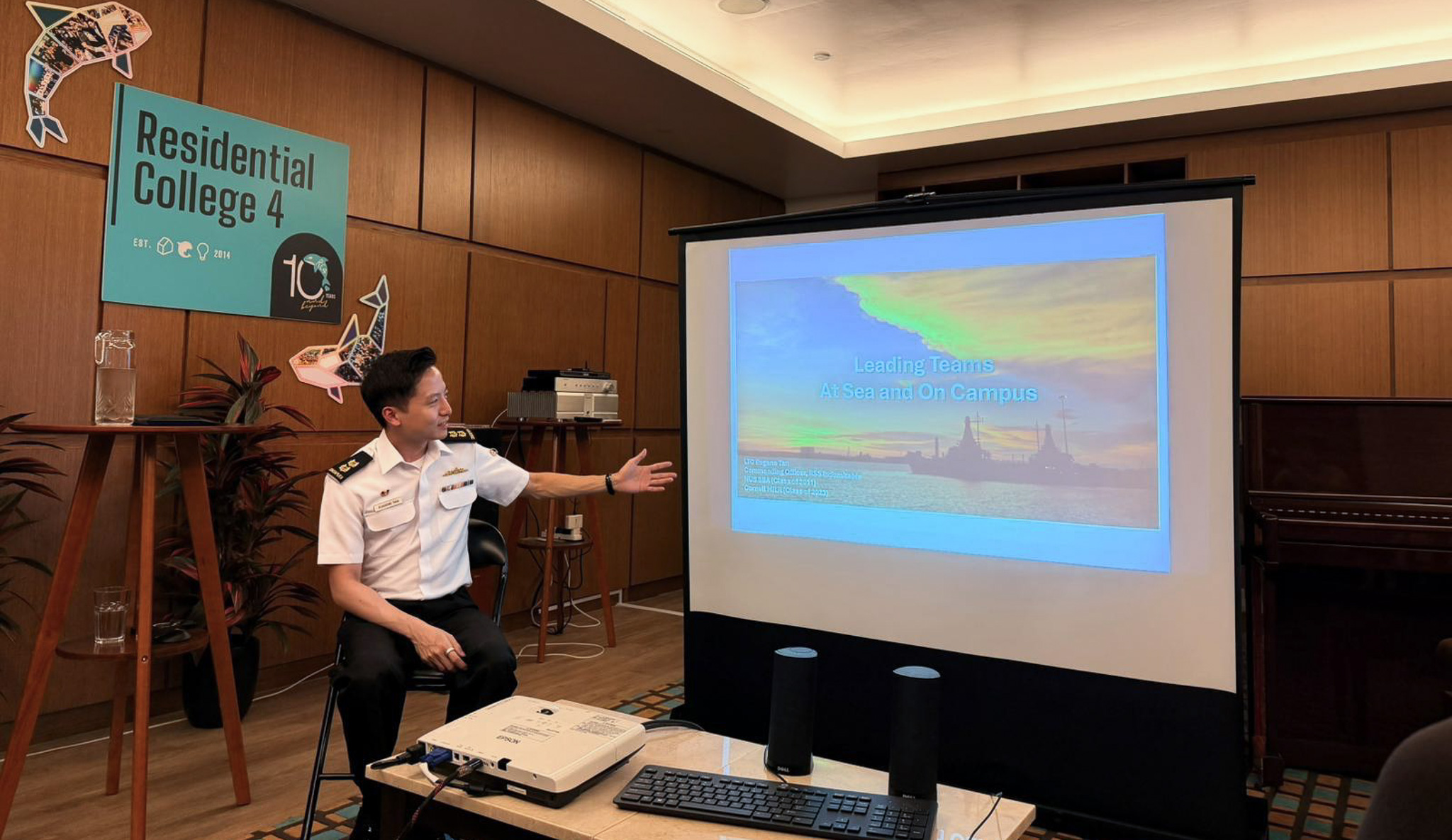
RC4 Leadership Series: Leading Teams - At Sea and On Campus
Written by Kee Zhen Xian
We are deeply grateful to Lieutenant Colonel Eugene Tan Commanding Officer in the Singapore Navy, for sharing his invaluable insights on authentic leadership with us at RC4's Perspectives.
While the military's hierarchical structure grants leaders formal authority, true leadership is earned through relationship-building and trust. As John C. Maxwell’s website writes, "(position) is the lowest level of leadership… It's the only level that requires no ability or effort to achieve."
3 leadership principles that stood out:
1. Lead with Presence 🤝
Eugene makes time for informal conversations during day-to-day operations. These moments create space for authentic dialogue, allowing him to understand his team's genuine concerns and real needs, not just what they think he wants to hear.
2. Listen, Then Act 👂
He doesn't just hear feedback; he responds thoughtfully. By selectively addressing concerns and challenging outdated policies that create sacrifice with limited benefit, Eugene demonstrates that voices matter. This builds morale and inspires reciprocity.
3. Build Mutual Respect 💪
When team members feel valued, they rise to the occasion. Eugene shared how his subordinates take initiative, encourage him to rest, and still deliver excellent work. That's the hallmark of earned authority: people follow because they want to, not because they have to.
The takeaway?
Position gives you the right to command. Trust gives you the willingness of others to follow. The latter is what transforms good managers into great leaders.
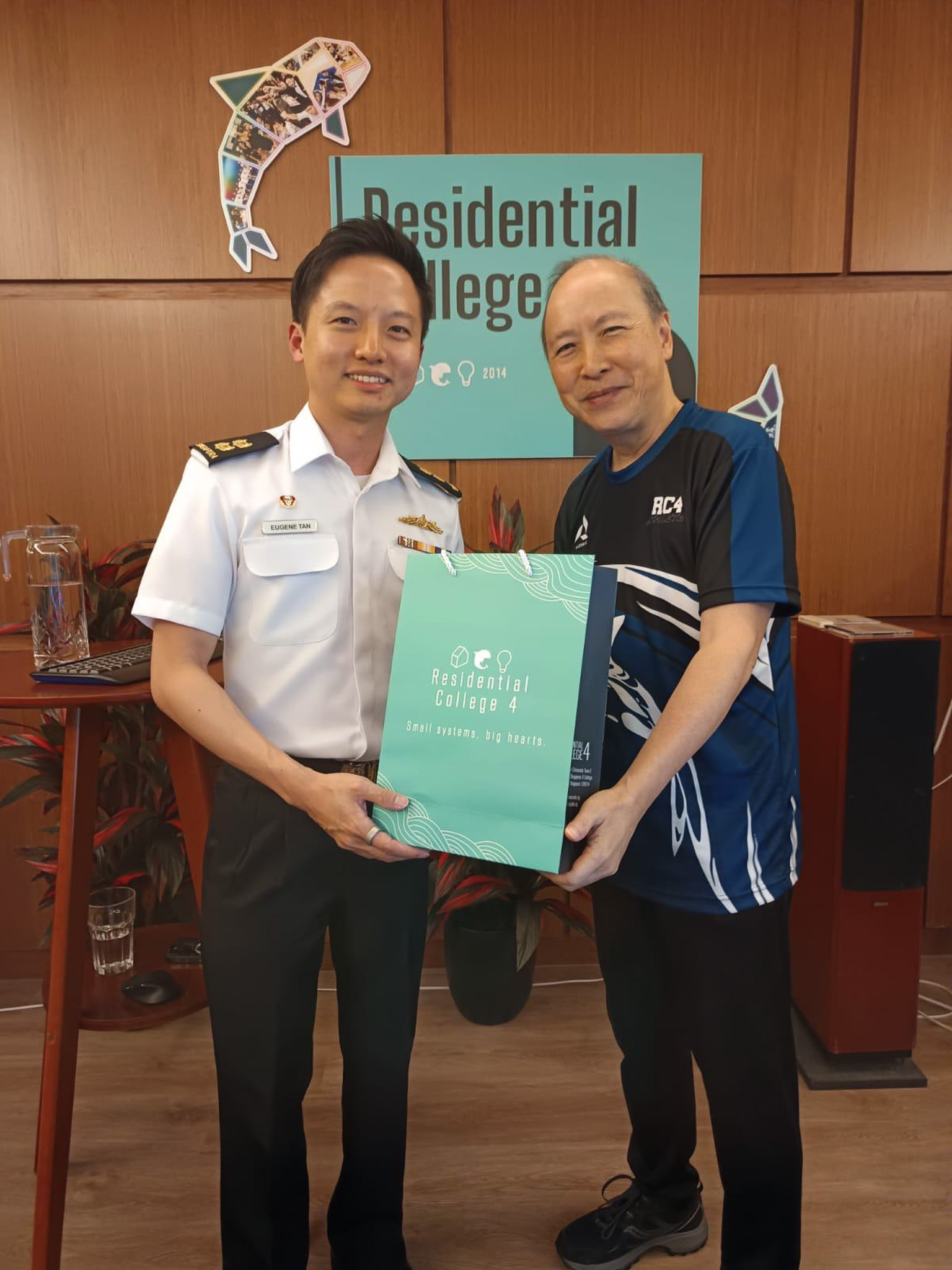
Beyond the Uniform: Leading Across Communities
Eugene's leadership extends far beyond his naval duties. As Chairperson of the NUSS Alumni Development Subcommittee, he has championed the NUSS-NUS Mentorship Programme, connecting experienced NUSS members with NUS undergraduates for meaningful one-on-one mentorship.
What resonates deeply is our shared belief in the power of diverse connections. Mark Granovetter's research on the "strength of weak ties" reveals that casual acquaintances often unlock more new information, opportunities, and innovations than our closest circles. As our Foreign Minister Vivian Balakrishnan once noted, innovation is more likely to lie in the intersections between different disciplines.
Eugene sees value in building bridges between generations, professions, and communities. His commitment to mentorship reminds us that great leaders don't just develop their immediate teams; they invest in cultivating the next generation and expanding networks that spark innovation.
Thank you, Eugene, for demonstrating that leadership is both a relationship and a responsibility, one that extends far beyond any single role or rank.